
In an industry heavily dominated by large corporations, independent game developers find a safe haven in the PC marketplace. Compared to console, contracts of exclusivity aren’t made as often and which games are marketed are not controlled by the creators of the hardware. These are some of the many benefits of playing and developing on PC. However, recent developments within the PC community are threatening this idea. Steam and Epic are currently competing for control over the PC gaming market. Both companies have behaved questionably in the past and implemented controversial policies. However, I believe that Steam is the necessary continuity gaming must have as a software for the PC community to retain its current status.
The emergence of Fortnite appears to be one of Epic Games’ stepping stones to take over the PC medium. Epic has been amassing profit for years, even before Fortnite through their Unreal 4 game engine. This engine has been the backbone of some of the world’s most popular games, such as PUBG, Fortnite, Borderlands 2, Rocket League, and much more, with Epic taking a percentage of profit from each one of these massive games. Due to developer friendly nature and accessibility Unreal’s environment, many independent developers flock to this engine and as a result, generate Epic a lot of money.
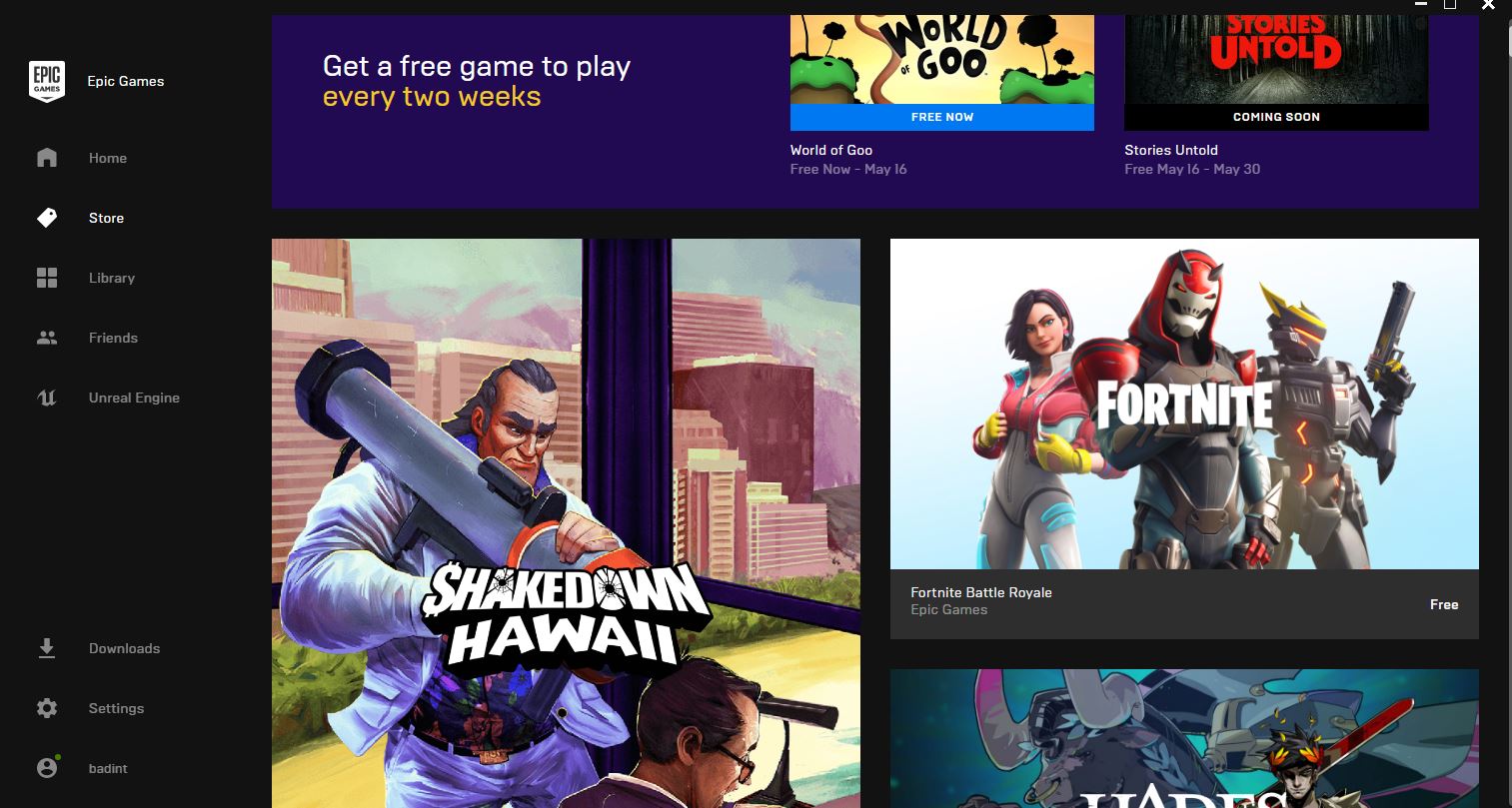
The result of these massive profits is Epic’s investment into their games store. Epic has made exclusivity deals with game franchises such as borderlands and the division and also gives out free games every two weeks. At surface level this may appear beneficial and healthy for the industry, but Epic is steering the PC community in the wrong direction. The exclusive nature of their major games conveys the same message as a console. Just like how the PS4 is Sony’s system, Epic appears to be trying to make the PC their system. The only way to get these new games is through Epic’s store.
Steam is still very, very far from perfect, as shown by their high profit cut of 30 percent and Valve’s extremely slow pace of updates and new games. Steam has however, solidified itself in the gaming world, to the point where people would find it difficult to transition away due to the investments of time and money in their steam accounts. Steam has an active community, a developed workshop for community game creations, an intricate review system, and a highly customizable profile system. All of these would be difficult for Epic to replicate because Valve has been developing these features into steam for over a decade. Despite a lot of information about steam being public(as seen on websites such as steamdb.info), many of its features are unique and haven’t been replicated yet by other DRMs such as uplay, Battle.net and Origin.
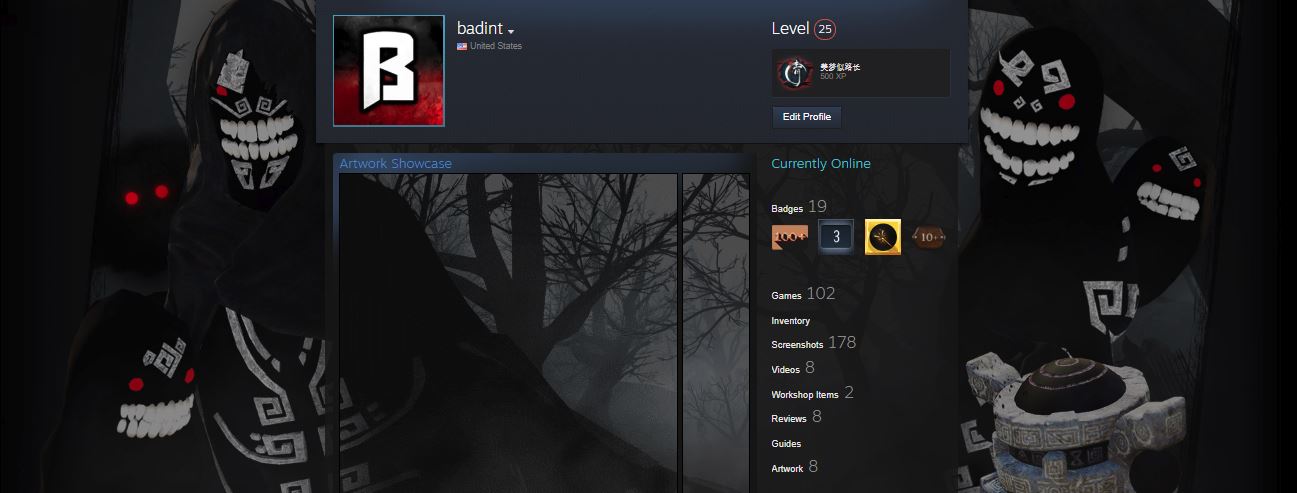
Steam still needs a lot of improvement, but maintains a stable service with an easy to use interface. Steam started out a lot like Epic, not necessarily favored by the community, as it introduced the idea of Digital Rights Management to gaming, requiring a platform to play certain games on. Steam however, improved by adopting their software to their community. Continuously integrating features to make it more like a social network as opposed to a game store. Epic on the other hand is gearing their software towards making a profit, as it is in direct competition with all the other DRMs. Epic’s roadmap includes more efforts to facilitate the buying process, such as additional support for DLCs(benefitting from microtransactions) in addition to their exclusives.
The competition for control over the PC gaming medium is primarily a battle between Epic’s relatively new game store, and Valve’s steam service. While Epic offers free and exclusive games, their practices don’t reflect those that support a community. Steam has heavy taxes and cuts in their marketplace and store, but still maintains a philosophy to put their users first.
Sources:
- Birch, Nathan. “Epic Games Store Features Roadmap Promises Cloud Saves, Wishlists, Mods Within 6 Months.” Wccftech, Wccftech, 15 Mar. 2019, wccftech.com/epic-games-store-features-roadmap/.
- “Borderlands 3 Is the Latest AAA Game to Join Forces with the Epic Games Store.” Digital Trends, 3 Apr. 2019, http://www.digitaltrends.com/gaming/every-exclusive-game-in-the-epic-games-store/.
- Kuchera, Ben. “Does Valve Deserve Steam’s 30 Percent Cut? Many Developers Say No.” Polygon, Polygon, 24 Jan. 2019, http://www.polygon.com/2019/1/24/18196154/steam-developers-revenue-epic-games-store.
- McWhertor, Michael. “Epic Says It Will Stop Store Exclusives If Steam Offers a Better Cut.” Polygon, Polygon, 25 Apr. 2019, http://www.polygon.com/2019/4/25/18516039/epic-games-store-exclusives-steam-valve-tim-sweeney.
- Orland, Kyle. “Epic’s Store Continues to Absorb PC Gaming Exclusives Large and Small.” Ars Technica, 13 May 2019, arstechnica.com/gaming/2019/05/epics-store-continues-to-absorb-pc-gaming-exclusives-large-and-small/.
- Sayer, Matt, and Matt Sayer. “The 15-Year Evolution of Steam.” Pcgamer, PC Gamer, 12 Sept. 2018, http://www.pcgamer.com/steam-versions/.
- Thier, Dave. “Good News And Bad News: The Epic Games Store And Its Exclusives Are Not Going Anywhere.” Forbes, Forbes Magazine, 13 May 2019, http://www.forbes.com/sites/davidthier/2019/05/13/good-news-and-bad-news-the-epic-games-store-and-its-exclusives-are-not-going-anywhere/#38b8e1bd6052.

 GOGblog
Hey Ernest,
I feel like the fact that some games are going to become Epic Store exclusive and console exclusivity isn’t really a bad thing for the gamer and the gaming market in general. Logically, more competition would be made between developers and platforms, as they would both compete to make their games the best they can and out compete the other platforms that are present. The developers needs to make it to where their game is good enough to convince the player to switch to a new platform. Additionally, there really isn’t that many consequences of platform exclusivity on PC, as (in the example you gave) both Epic Games and Steam are free to download, so other than some UI changes, there really isn’t any big differences when looking at game play.
LikeLike